

Last Updated: March 11, 2026 | ⏱ 5 min
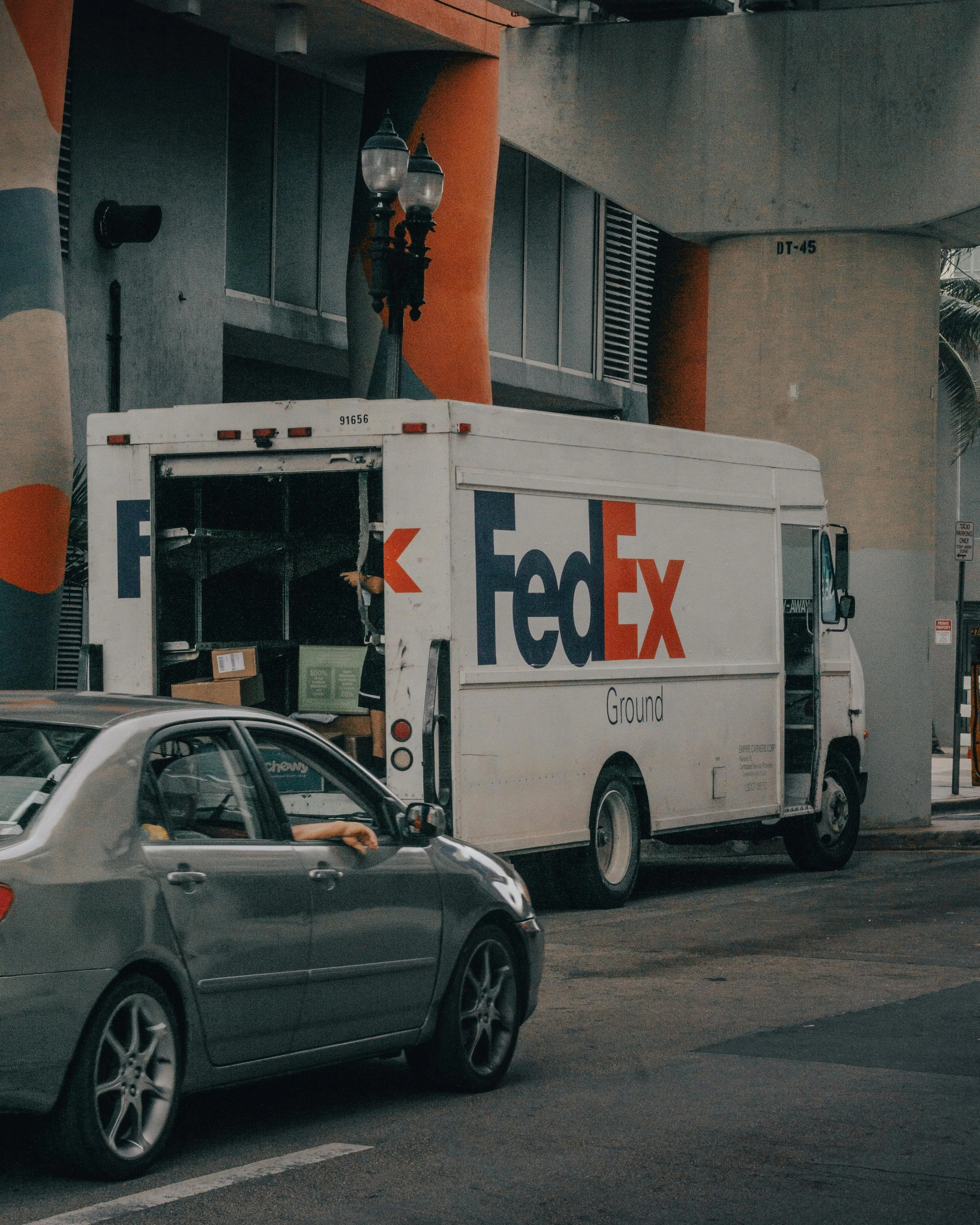
A delivery exception is an unplanned event that prevents FedEx from delivering a package on the originally scheduled date. These exceptions flag shipments that require attention or corrective action, but they doesn’t automatically mean the package is lost or damaged.
FedEx handles approximately 16 million packages daily, and delivery exceptions are an inevitable part of large-scale logistics operations. According to a 2022 FedEx study, a positive delivery experience is crucial to overall customer satisfaction and directly influences repeat purchase behavior. The stakes are high: approximately 75% of consumers reported delivery issues within a 3-month period, and 23% won't reorder from a retailer after a failed delivery attempt.
For eCommerce brands and 3PLs managing customer expectations, understanding delivery exceptions isn't just about tracking packages—it's about preserving customer relationships and preventing lost revenue.
Common Types of FedEx Delivery Exceptions (and What They Mean)
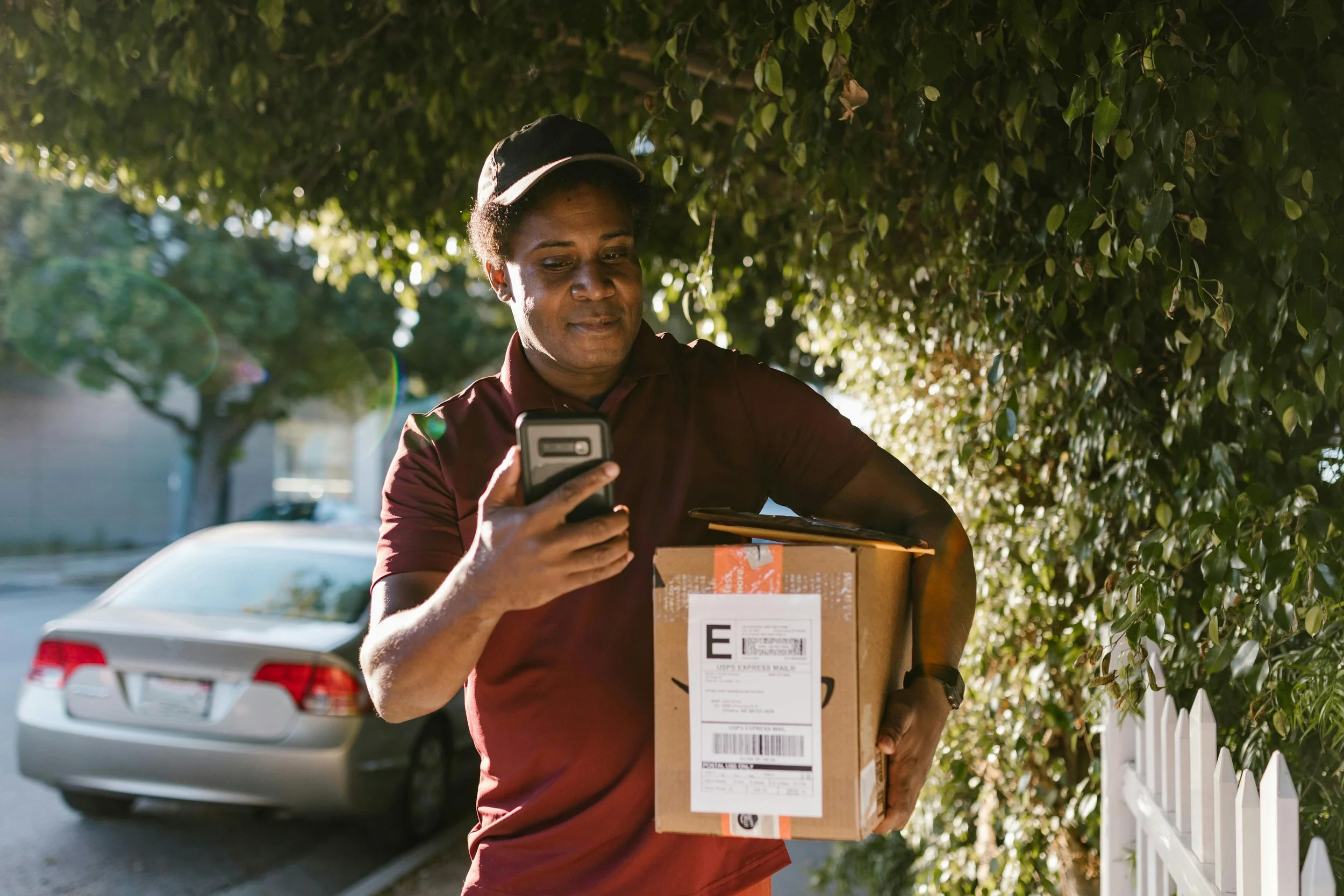
FedEx delivery exceptions fall into several categories, each requiring different responses. Here are the most common types and what they actually mean:
Incorrect or Incomplete Address
Incorrect or incomplete addresses are one of the most common delivery exceptions. This happens when street names are misspelled, apartment numbers are missing, or ZIP codes don't match cities. FedEx holds the package at a local facility while attempting to verify the correct address.
What to do: Contact FedEx immediately to provide the corrected address or use address validation tools at checkout to prevent these exceptions.
Recipient Unavailable
No one was available to receive the package when FedEx attempted delivery. This is common for shipments requiring signatures or deliveries to business addresses outside operating hours. FedEx typically makes up to three delivery attempts before returning the package or holding it for pickup.
What to do: Use FedEx Delivery Manager to schedule a specific delivery time, authorize signature release, or redirect to a FedEx location.
Weather or Natural Disaster

Severe weather, hurricanes, floods, or wildfires have halted FedEx operations in the affected area. These exceptions resolve once conditions improve and transportation routes reopen.
What to do: Monitor FedEx service alerts and communicate proactively with customers. Transparency helps maintain trust during unavoidable delays.
Customs Delays
International shipments are held at customs due to incomplete paperwork, missing invoices, unpaid duties, or restricted items. Customs delays can add days or weeks to delivery timelines.
What to do: Ensure all customs documentation is complete before shipping internationally, including commercial invoices, tariff codes, and accurate product descriptions.
Damage or Label Issues
The package was damaged in transit or has illegible, torn, or missing labels. FedEx holds these packages for inspection and may need to relabel before continuing delivery.
What to do: Use durable packaging and clearly printed labels. If damage occurs, file a claim with FedEx immediately.
FedEx Operational Delays

Internal FedEx issues like truck breakdowns, equipment failures, system errors, or staffing shortages have delayed the package. These are typically resolved quickly as FedEx reroutes through alternative hubs.
What to do: Monitor tracking closely and contact FedEx if delays extend beyond 24-48 hours. Ask about expedited handling for time-sensitive shipments.
Other Issues
Additional causes include holiday closures, customer refusal, animal interference (dogs preventing delivery), security access issues (gated communities), and USPS handoff challenges for FedEx SmartPost or Ground Economy shipments.
How to Handle a FedEx Delivery Exceptions: Step-by-Step

When you encounter a delivery exception, quick action minimizes delays and preserves customer satisfaction. Here's how to respond effectively:
1. Monitor Tracking Updates Frequently
Check FedEx tracking at least twice daily when an exception is flagged. Updates often provide new information about the package's location, the nature of the delay, and estimated resolution timelines. Set up tracking notifications through FedEx to receive automatic alerts when status changes.
2. Contact FedEx if Corrective Action is Needed
If the exception requires action—such as correcting an address, authorizing signature release, or providing customs documentation—contact FedEx immediately. Have your tracking number ready and clearly explain what information or changes need to be made.
For urgent shipments, calling FedEx customer service (1-800-463-3339) is faster than waiting for email responses. Be prepared to verify your identity and shipment details.
3. Use FedEx Delivery Manager to Redirect or Reschedule
FedEx Delivery Manager is a free tool that allows recipients to customize delivery preferences. Options include redirecting packages to FedEx locations for pickup, scheduling specific delivery dates, authorizing deliveries without signatures, and providing special delivery instructions.
If you're the shipper, encourage customers to sign up for Delivery Manager when tracking numbers are provided. This empowers recipients to resolve many exceptions independently.
4. Proactively Communicate with Customers About Delays
For eCommerce brands and 3PLs, customer communication is critical when exceptions occur. Don't wait for customers to contact you asking where their package is. Send proactive updates explaining the situation, what's being done to resolve it, and realistic timelines for when delivery is expected.
Transparency builds trust, even when delays are unavoidable. Customers are far more forgiving when they're kept informed rather than left wondering what happened.
5. Follow Through Until Delivery Resolution
Don't assume the exception will resolve itself. Continue monitoring tracking, follow up with FedEx if promised actions don't occur, verify successful delivery once the package moves again, and confirm customer satisfaction after delivery.
For recurring exceptions with the same addresses or shipment types, document patterns and work with FedEx to implement permanent solutions.
Tips to Prevent Delivery Exceptions in the Future

While some exceptions are unavoidable, many can be prevented with better processes and proactive planning:
Always Validate Customer Address Data
Implement address validation at checkout to catch errors before packages ship. Tools like USPS Address Verification or third-party services like SmartyStreets flag incomplete, incorrect, or undeliverable addresses in real time.
For existing customer databases, periodically validate addresses to ensure they remain current and accurate. Address changes, apartment renumbering, and ZIP code updates happen regularly.
Use Durable Packaging and Clearly Printed Labels

Invest in quality packaging materials that protect contents during handling and prevent damage. Use high-quality label printers and waterproof label pouches to ensure tracking information remains readable throughout transit.
Avoid handwritten labels, inkjet printers that smudge when wet, or labels placed over seams or flaps where they might tear.
Select Appropriate Shipping Methods, Factoring Weekends and Holidays
Choose shipping speeds that account for non-delivery days. A Friday shipment with 2-day ground service won't arrive until Tuesday if Monday is a holiday. Plan ahead for peak seasons (holidays, back-to-school, Prime Day) when carrier capacity is strained.
For time-sensitive shipments, use services that guarantee delivery dates and provide refunds if deadlines aren't met.
Provide Delivery Instructions When Possible
Use FedEx special handling options to communicate delivery preferences: "Leave at back door," "Signature required," "Call before delivery," or "Hold at FedEx location." Clear instructions reduce the likelihood of recipient unavailable exceptions.
For businesses, ensure reception staff or mailrooms know to expect deliveries and can accept packages during business hours.
Track Proactively and Educate Customers on Delivery Processes

Don't wait for exceptions to check tracking. Monitor all shipments regularly, especially high-value or time-sensitive packages. Set up automated tracking alerts so you're notified immediately when exceptions occur.
Educate customers about realistic delivery timelines, how to use tracking numbers, and what to do if issues arise. Providing FedEx Delivery Manager instructions at checkout empowers customers to manage their own deliveries.
Choose Reliable Carrier Services and Monitor Performance
Evaluate carrier performance regularly and switch services if delivery exceptions become chronic. Track metrics like on-time delivery rates, exception frequency, and average resolution times.
For businesses shipping high volumes, consider working with a 3PL like Coast to Coast Fulfillment that manages carrier relationships, negotiates better rates, and handles exception resolution on your behalf. A reliable fulfillment partner monitors shipments proactively and intervenes when exceptions occur, protecting your customer relationships.
FedEx Exceptions - The Bottom Line
Understanding what it means when your package has an exception is the first step to minimizing delays and maintaining customer satisfaction. While delivery exceptions are an inevitable part of shipping at scale, most can be resolved quickly with proper monitoring, communication, and proactive problem-solving.
For eCommerce brands and 3PLs, delivery exceptions represent both a risk and an opportunity. Handle them poorly, and you lose customers. Handle them well, and you demonstrate reliability even when things go wrong.
Ready to simplify your shipping operations and reduce delivery exceptions? Coast to Coast Fulfillment is a U.S.-based 3PL specializing in apparel fulfillment, subscription box assembly, and eCommerce warehousing with expert carrier management. We monitor shipments proactively, resolve exceptions quickly, and ensure your customers receive their orders on time.
Contact Coast to Coast Fulfillment today to learn how our fulfillment expertise can protect your brand and improve your delivery success rates.
FedEx Delivery Exceptions FAQ
-
A FedEx delivery exception means an unplanned event has temporarily delayed delivery of your package. This doesn't mean the package is lost—it simply flags that something has prevented delivery on the originally scheduled date. Common causes include incorrect addresses, recipient unavailability, weather delays, customs holds, or damaged labels. Most exceptions are resolved within 1-3 business days.
-
When your package has an exception, it means FedEx encountered an issue preventing timely delivery. The exception notice alerts you that action may be needed—such as correcting an address, authorizing signature release, or providing customs documentation. Check tracking details for specific information about the nature of the exception and any required actions.
-
Yes, most packages with delivery exceptions are still delivered, just later than originally scheduled. FedEx typically resolves exceptions within 1-3 business days depending on the cause. For address issues, weather delays, or operational problems, delivery resumes once the issue is corrected. Only in rare cases—such as repeated failed delivery attempts or unresolvable address problems—are packages returned to sender.
-
The duration of a FedEx delivery exception depends on the cause. Address corrections may resolve within 24 hours, weather delays last until conditions improve (1-3 days typically), customs delays can take 3-7 days or longer, and operational delays usually resolve within 24-48 hours. Check tracking for updated delivery estimates specific to your package.
-
First, check FedEx tracking for details about the exception type. If action is needed (address correction, signature authorization), contact FedEx immediately. Use FedEx Delivery Manager to redirect packages or schedule redelivery. If you're the shipper, proactively communicate with your customer about the delay and provide realistic updated delivery timelines. Continue monitoring tracking until the package is successfully delivered.
-
Many delivery exceptions can be prevented by validating addresses before shipping, using durable packaging with clear labels, selecting appropriate shipping methods accounting for weekends and holidays, providing delivery instructions, and tracking packages proactively. While some exceptions (weather, customs delays) are unavoidable, proper preparation significantly reduces preventable issues like incorrect addresses or recipient unavailability.