

5 Small Business Models That Can Benefit From a 3PL

Last Updated: February 11, 2026 | ⏱ 5 min
You've built something real. Your small business is generating sales, your customers love your products, and growth feels within reach. But somewhere between packing boxes at midnight and fielding customer service emails about delayed shipments, you realize something… logistics is holding you back.
This is where small business 3PL partnerships change everything. A 3PL (third-party logistics) provider handles the operational heavy lifting (warehousing, picking, packing, and shipping) so you can focus on what actually grows your business: marketing, product development, and customer relationships.
3PLs aren't just for massive corporations who need warehouses in every time zone. Small businesses benefit greatly from outsourcing fulfillment, often more than their larger competitors. Why? Because when you're running lean, every hour spent on logistics is an hour stolen from strategy.
Let's explore five small business models that benefit most from partnering with a 3PL for fulfillment.
eCommerce and Direct-to-Consumers Retail

If you're running an online store, you already know the expectations: fast shipping, affordable rates, and flawless execution. Amazon Prime has trained customers to expect 2-day delivery as a standard, not just premium. For small eCommerce businesses competing against giants, meeting these expectations in-house is nearly impossible.
This is where small business 3PL providers level the playing field.
A 3PL handles warehousing, picking, packing, and shipping, eliminating the need for in-house labor, warehouse leases, and shipping infrastructure. Distributed fulfillment centers strategically position your inventory closer to customers, dramatically reducing transit times. What used to take 5-7 days for ground shipping now arrives in 2-3 days, without paying for expedited services.
Coast to Coast Fulfillment is strategically positioned in the Northeast Corridor of the United States, reaching over 60 million customers within 1-2 day shipping.

Our relationship with CTCF has only grown over time. In addition to handling our logistics, they now manage our returns processing and twice-yearly sample sales (where shipping volumes spike). We are incredibly grateful for their partnership - it's tough to find a smart, thoughtful partner who cares about quality as much as we do!
- Trisha Okubo, Founder of Maison Miru
Beyond faster delivery, 3PLs can often secure bulk shipping rates that most small businesses can’t negotiate independently. By shipping thousands of packages each day across multiple clients, 3PLs earn preferential carrier pricing—and those savings are passed on to you, improving your profit margins.
The numbers speak for themselves: 57% of eCommerce businesses now outsource fulfillment, up from just 29% in 2020. That's not a trend—it's a market shift driven by necessity.
Offloading logistics also frees you to focus on what actually drives revenue: marketing campaigns, product launches, and customer acquisition. Instead of spending evenings packing orders, you're optimizing ad spending, testing new products, and building your brand.
For drop shippers specifically, partnering with a 3PL provides a hybrid model. You can hold inventory at the 3PL's warehouse, avoiding the long shipping times and quality control issues that plague traditional drop shipping from overseas suppliers. Your customers get faster delivery, and you maintain better control over the customer experience.
Coast to Coast Fulfillment specializes in small business fulfillment for eCommerce brands, offering seamless integration with Shopify, Amazon, and other sales channels. We handle everything from receiving inventory to printing shipping labels, giving you the infrastructure of a big brand without the overhead.
Subscription Box Services

Subscription box businesses face a unique challenge: they need to deliver a consistent, high-quality experience every single month while managing complex kitting, timing, and fulfillment logistics.
Unlike traditional eCommerce where each order might contain a single item, subscription boxes require custom assembly. You're sourcing products from multiple vendors, combining them into curated boxes, adding branded inserts and packaging, and shipping them on a tight schedule. Miss your ship date by even a day, and thousands of subscribers notice.
This is where 3PLs offering kitting and assembly services become essential.
A 3PL handles the entire kitting process: receiving components from multiple suppliers, assembling boxes according to your specifications, and processing large-scale orders on schedule. You provide the blueprint, and the 3PL executes flawlessly, month after month.
Flexible warehousing and labor models help subscription businesses manage month-to-month demand fluctuations. Whether you’re shipping 500 boxes one month or 5,000 the next, a 3PL scales space and staffing accordingly—so you only pay for what you use.
Reducing risk of fulfillment errors and late shipments directly impacts subscriber retention. In the subscription economy, churn is your biggest enemy. One late box or incorrect item can trigger cancellations. A reliable 3PL ensures consistency, preserving the customer experience that keeps subscribers renewing
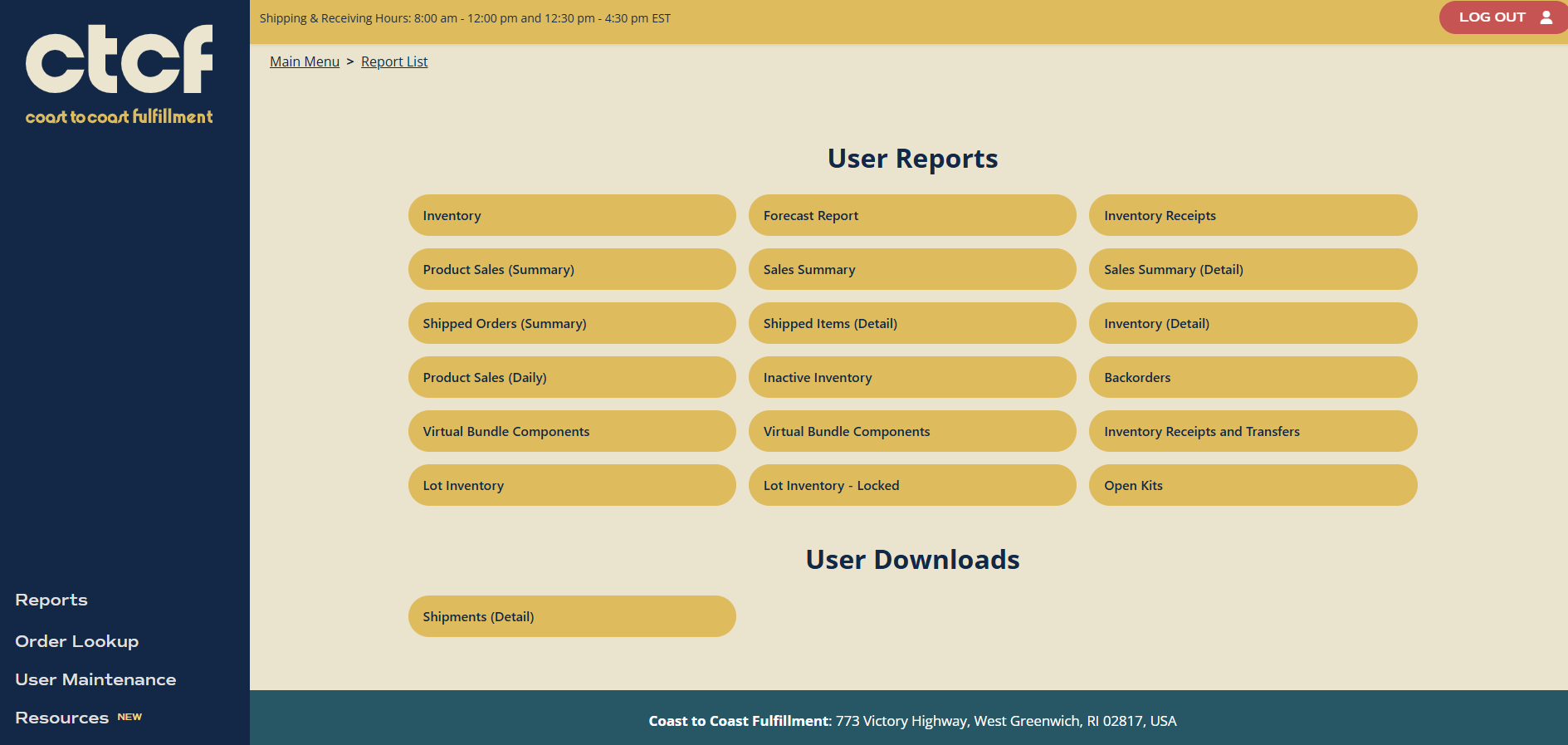
Coast to Coast Fulfillment’s Data Depot
Additionally, 3PLs with strong inventory management capabilities can help you sell excess inventory or crowd-favorite items outside your regular subscription cycle. That surplus you purchased to cover breakage? Turn it into a flash sale. Popular items subscribers love? Offer them à la carte. Your 3PL can manage both subscription fulfillment and one-off orders from the same inventory pool.
At Coast to Coast Fulfillment, we specialize in subscription box assembly and kitting. We handle everything from receiving your products to building custom boxes with branded materials, inserts, and packaging that reflects your unique identity. Our goal: turn fulfillment into a competitive advantage, not a bottleneck.
Small Manufacturers & B2B Wholesalers
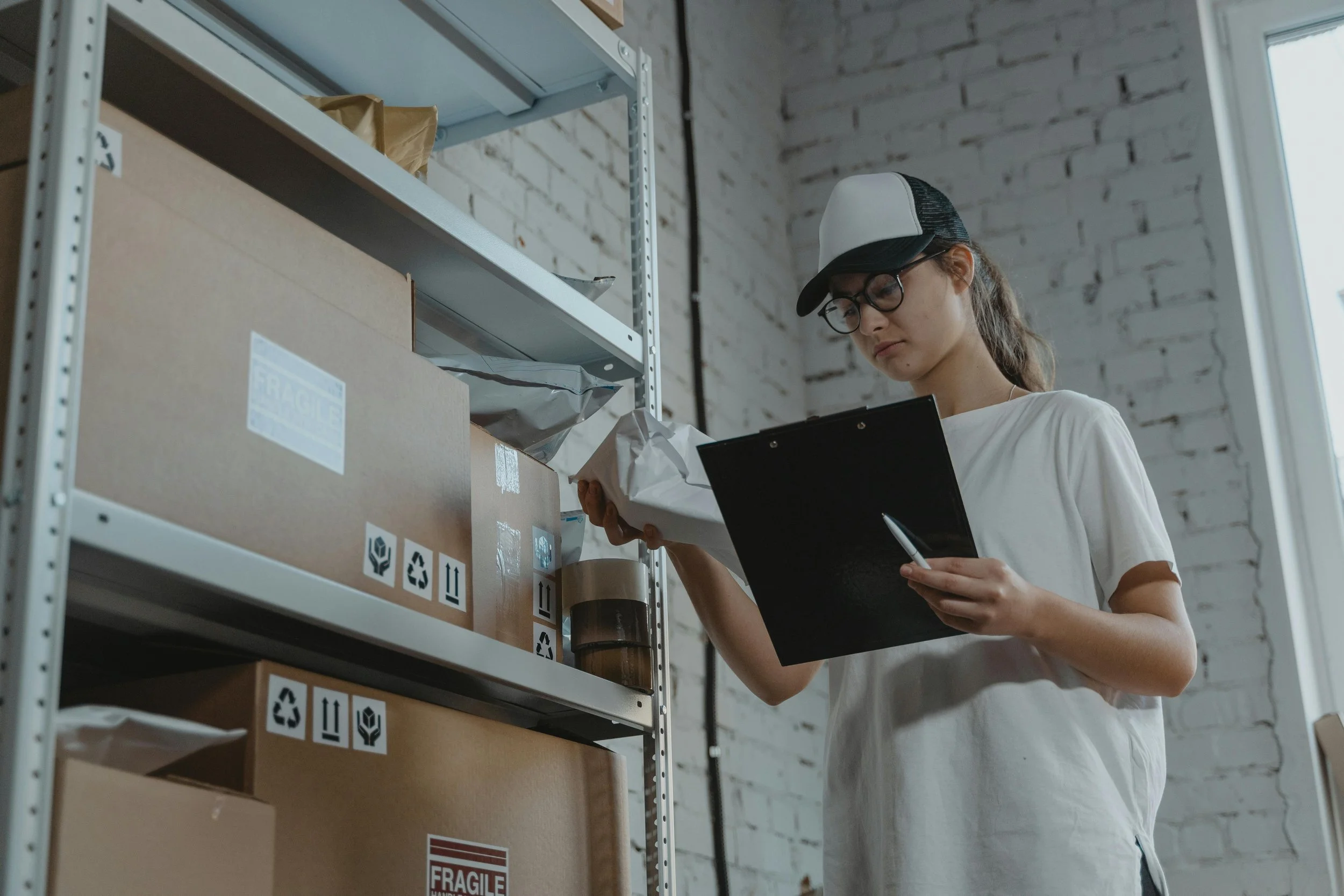
Small manufacturers and B2B wholesalers often ship in bulk. Managing freight, inventory storage, and compliance internally can be both costly and complex, especially when you're also running production, sales, and customer relationships.
This is where a 3PL for small business fulfillment transforms operations.
3PLs offer pallet storage, freight services, and B2B fulfillment capabilities, including EDI (Electronic Data Interchange) support for seamless integration with major retailers like Target, Walmart, and Amazon. EDI compliance is non-negotiable for retail partnerships, and many small manufacturers lack the infrastructure to manage it in-house. A 3PL handles EDI transactions, routing, labeling requirements, and compliance, ensuring your shipments meet retailer standards without costly chargebacks.
Outsourcing logistics also reduces fixed warehouse costs. Instead of signing long-term leases for warehouse space that sits half-empty during slow seasons, you pay only for the space you actually use. This variable cost structure is critical for small manufacturers operating on tight margins.
Additionally, 3PLs provide improved inventory management and multi-channel fulfillment capabilities. You might be shipping bulk orders to distributors while also fulfilling smaller orders directly to end customers through your website. A 3PL manages both seamlessly, giving you visibility into inventory levels, order status, and shipping performance across all channels.
The wide range of services they offer such as their EDI and system capabilities, to accommodating customer specific labeling and packaging requirements, and ability to process large volume mailings for events has allowed the RBB business to scale not only from a B2B standpoint but also with DTC and Amazon.
- Michael Jordan, Rare Beauty Brands
According to industry data, 82% of shippers report that 3PLs contributed to improved service levels, while approximately 70% say 3PLs reduced overall logistics costs. For small manufacturers and wholesalers, those improvements translate to better customer relationships and healthier bottom lines.
Coast to Coast Fulfillment offers B2B fulfillment, EDI compliance support, and freight coordination. Whether you're shipping pallets to retail distribution centers or individual cartons to smaller accounts, we handle the logistics so you can focus on production and sales.
Seasonal and Peak-Period Businesses
If your business experiences dramatic seasonal peaks like holiday decorations, summer apparel, or back-to-school supplies, you face a dilemma: invest in year-round infrastructure for a few months of demand, or scramble to keep up when orders flood in.
Neither option is ideal, so that’s where 3PLs offering flexible storage and labor come into play.
Seasonal sellers face high peaks and low off-season demand, making fixed costs like warehouse leases and full-time staff financially unviable. During peak months, you need massive space and labor capacity. During off-season, that same infrastructure sits idle while you're still paying for it.
3PLs solve this with flexible storage and labor that scales with your seasonal needs. Need 10 pallets of storage in March and 100 pallets in November? You pay only for what you use each month. Need additional labor to handle Black Friday order volumes? Your 3PL staffs up temporarily, then scales back down when demand normalizes.
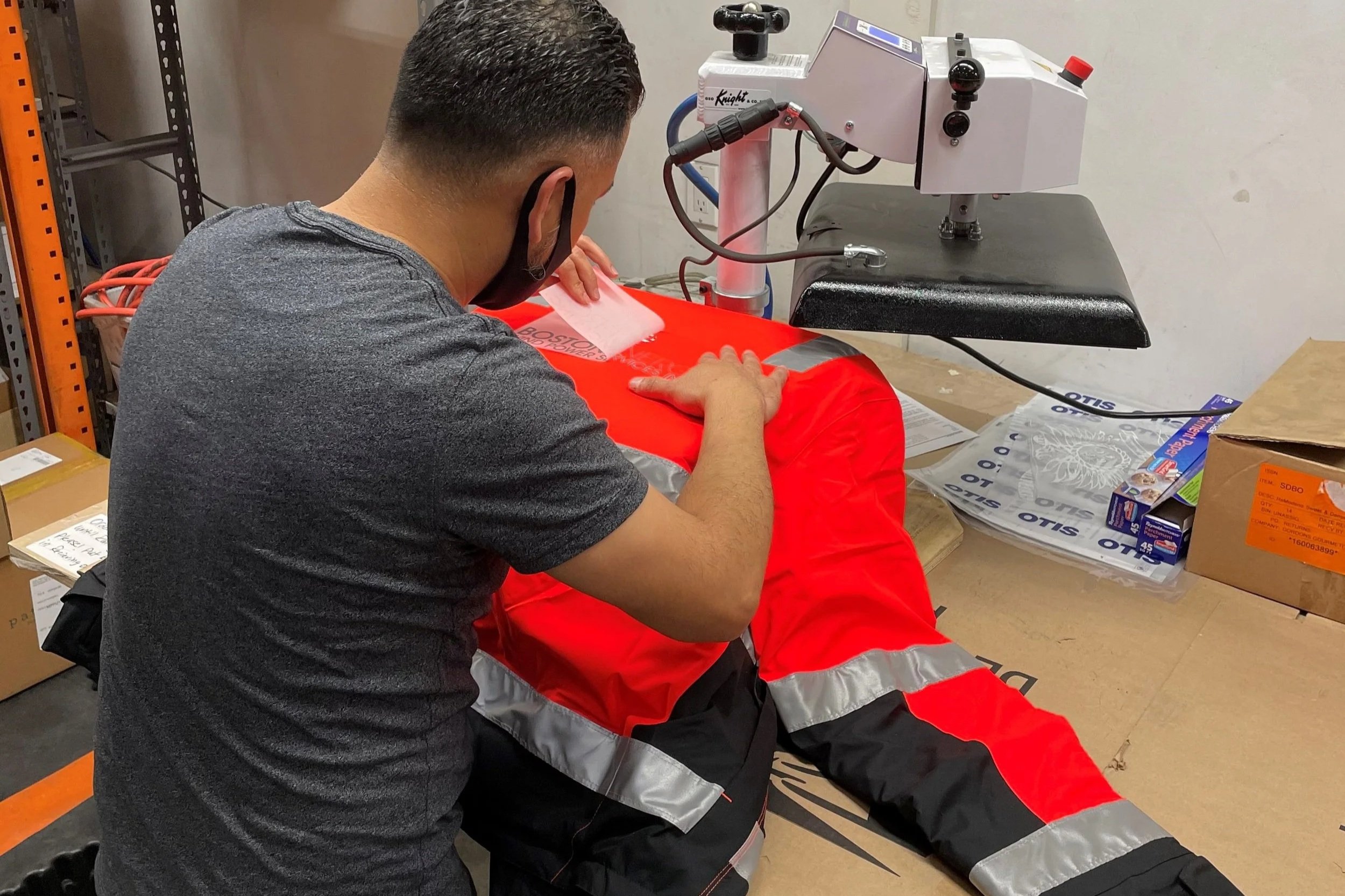
This approach helps businesses avoid year-round warehouse leases and the nightmare of hiring, training, and managing temporary staff during peak seasons. You're not posting job listings, conducting interviews, or dealing with payroll for seasonal workers. Your 3PL handles staffing while you focus on sales and marketing during your busiest, most critical period.
Fulfillment remains fast and accurate even under peak loads because 3PLs are built for volume surges. They have systems, processes, and experienced staff who've handled peak seasons for dozens of clients. Reduced errors and missed deliveries during your critical selling window help preserve brand reputation when it matters most.
The variable cost model enables profitability without over-investment. Instead of sinking capital into infrastructure you'll only use for three months, you pay for fulfillment services as you go, aligning costs directly with revenue.
For seasonal businesses, a small business 3PL partnership isn't just convenient, but also the difference between profitability and burning cash on underutilized infrastructure.
Crowdfunded Startups and One-Time Product Launches

You ran a successful crowdfunding campaign. Funding hit the goal, and orders poured in from hundreds—or thousands—of backers. Now comes the hard part: actually delivering on those promises.
Crowdfunding campaigns create a sudden surge of global orders after funding success, and most founders lack the infrastructure to handle inventory and shipping at scale. You might be great at product development and marketing, but managing a warehouse full of inventory, packing thousands of individual orders, and coordinating international shipments? That's a completely different skill set.
3PLs receive bulk inventory directly from manufacturers, pack individual rewards according to backer specifications, and ship globally with tracking and customs documentation. Integration with pledge managers like BackerKit or PledgBox simplifies order processing, automatically syncing backer information and shipping addresses with your 3PL's fulfillment system.
This prevents the burnout and errors common in DIY fulfillment efforts. Fulfilling a crowdfunding campaign in-house often means founders working 16-hour days for weeks, packing boxes in their garage or a rented space, dealing with shipping mistakes, and fielding angry messages from backers whose rewards arrived damaged or late.
The stakes are high: approximately 1 in 10 crowdfunding campaigns fail to deliver on their promises, often due to fulfillment failures. A 3PL reduces this risk dramatically by providing professional fulfillment infrastructure without requiring long-term commitments.
That last point matters. Some 3PLs, like Coast to Coast Fulfillment, offer their services without long-term contracts. For crowdfunded startups and one-time product launches, this flexibility is critical. You're not committing to monthly minimums or multi-year agreements—you're using fulfillment services for the specific campaign duration, then moving on if needed.
Coast to Coast Fulfillment has helped numerous crowdfunded startups successfully deliver to their backers. We handle receiving bulk shipments, custom packing and kitting, international shipping, and integration with pledge management platforms. Our goal: turn your funding success into a fulfillment success story, not a cautionary tale.
Conclusion
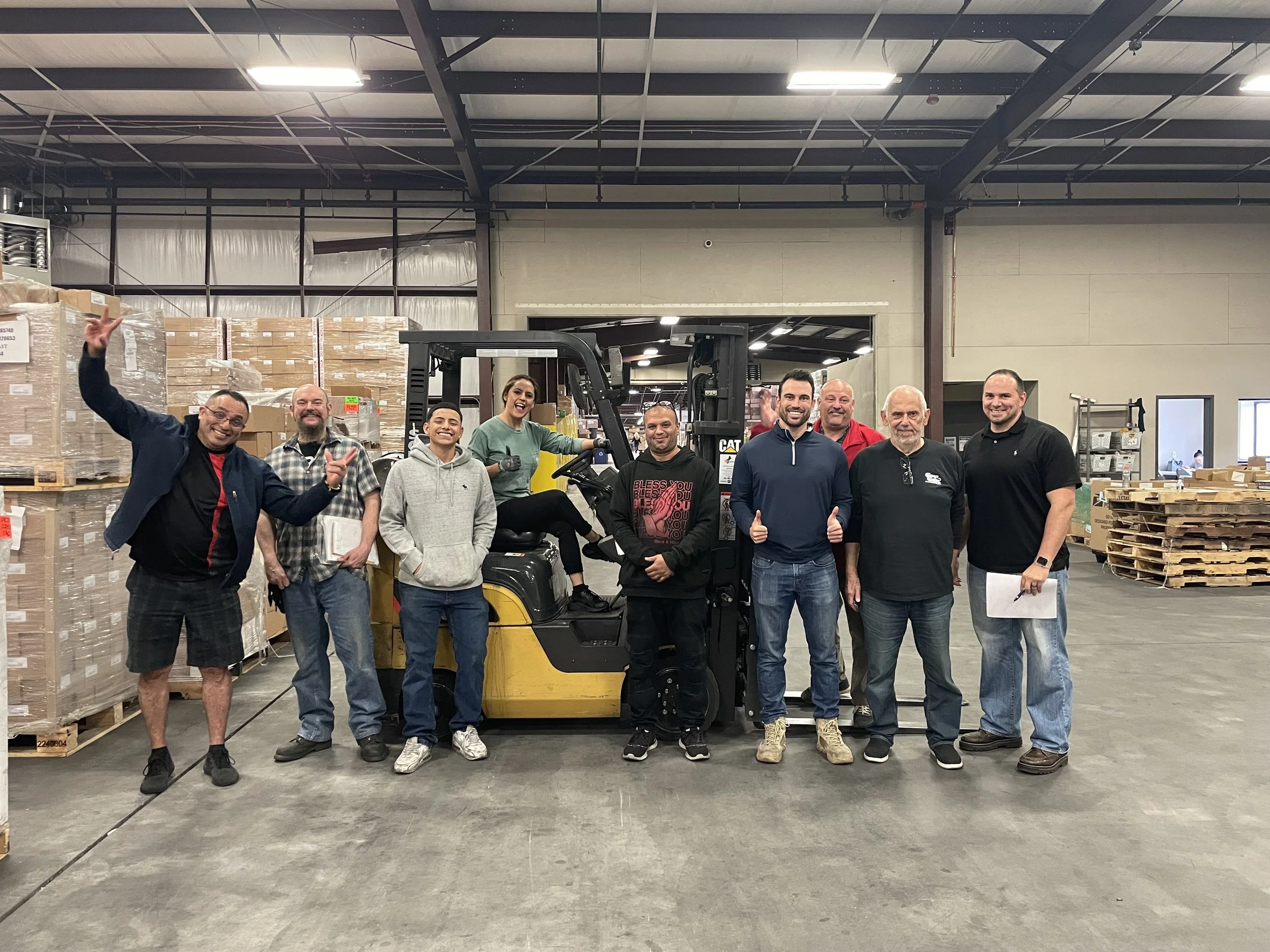
Across all five business models, the benefits of partnering with a small business 3PL are remarkably consistent: operational efficiency, cost savings, and scalability.
Logistics outsourcing allows small businesses to compete with larger players who have dedicated fulfillment teams, multiple warehouses, and negotiated carrier contracts. When you partner with the right 3PL, you gain access to that same infrastructure and expertise without the capital investment.
If you're spending too much time on logistics, if shipping costs are eating your margins, if seasonal surges overwhelm your capacity, or if you simply can't scale fulfillment as fast as your sales are growing—it's time to evaluate a small business 3PL partnership.
Choosing the right 3PL partner is key to achieving consistent growth and customer satisfaction. Look for providers who specialize in your business model, offer flexible pricing without long-term lock-ins, integrate seamlessly with your sales channels, and provide transparent communication and real-time visibility.
Ready to offload fulfillment and focus on what actually grows your business? Coast to Coast Fulfillment specializes in small business fulfillment across eCommerce, subscription boxes, B2B wholesale, seasonal products, and crowdfunding campaigns. We offer flexible storage, custom kitting and assembly, EDI compliance, and no long-term contracts—because we know small businesses need partners who grow with them, not anchor them down.
Contact Coast to Coast Fulfillment today to learn how the right 3PL partnership can transform your logistics from a bottleneck into a competitive advantage.
3PL For Small Businesses FAQ
-
A 3PL (third-party logistics) provider manages warehousing, order fulfillment, and shipping for your business. For small businesses, partnering with a 3PL eliminates the need to invest in in-house storage or warehouse leases, labor, and shipping operations—lowering overhead, improving fulfillment efficiency, and freeing up time to focus on marketing and growth.
-
Small business 3PL costs vary based on order volume, product type, storage needs, and services required. Typical costs include receiving fees (per shipment), storage fees (per pallet or bin), pick and pack fees (per order and per unit), and shipping costs. 3PLs like Coast to Coast Fulfillment offer transparent, à la carte pricing with no long-term commitments, making it accessible for small businesses with fluctuating volumes.
-
Yes, many 3PLs specialize in multi-channel fulfillment, handling both direct-to-consumer eCommerce orders and B2B wholesale shipments. This includes EDI compliance for major retailers, pallet-level shipments, and individual parcel fulfillment. Coast to Coast Fulfillment offers omnichannel fulfillment, managing inventory and orders across eCommerce platforms, retail partnerships, and wholesale accounts.
-
Dropshipping involves shipping products directly from suppliers to customers without holding inventory, often resulting in long shipping times and limited quality control. A 3PL holds your inventory in their warehouse and ships orders on your behalf, providing faster delivery, better quality control, and consistent branding. Many small businesses use 3PLs to create a hybrid model, holding inventory domestically for faster fulfillment while maintaining the operational benefits of outsourced logistics.
-
It depends on the 3PL. Some providers require minimum monthly order volumes or long-term commitments, while others—like Coast to Coast Fulfillment—offer flexible agreements designed to support small businesses at every stage. When evaluating a 3PL, be sure to ask about volume requirements, setup fees, and contract terms to ensure the partnership fits your current needs and can scale as you grow.
-
3PLs offer flexible storage and labor that scales with seasonal demand. During peak seasons, you can increase storage space and fulfillment capacity without long-term commitments. During off-seasons, you only pay for the space and services you actually use. This variable cost structure helps seasonal businesses remain profitable without over-investing in year-round infrastructure.