

What is Reverse Logistics? A Guide to Saving Money on Returns
Last Updated: November 7, 2025 | ⏱ 7 min
According to the National Retail Federation, returns cost U.S. retailers $816 billion annually. That's not a typo. Every returned item carries costs that stack up fast: shipping, processing, inspection, restocking, and sometimes disposal. For many brands, returns feel like a black hole where profit margins disappear.
But here's the thing: reverse logistics doesn't have to drain your bottom line. With the right approach, effective returns management can actually reduce costs, recover value from returned products, and even strengthen customer loyalty. This guide will show you what reverse logistics is, why it matters, how the process works, and most importantly, how to optimize it to save money while keeping customers happy.
What is Reverse Logistics? (Definition & Meaning)
Reverse logistics is the backward flow of goods from end consumers back to sellers, manufacturers, or third-party processors. Unlike traditional forward logistics that moves products from manufacturers to customers, reverse logistics handles the journey in the opposite direction: returns management, refurbishment, recycling, and disposal.
In supply chain management, reverse logistics encompasses every step that happens after a customer decides they don't want a product. This includes processing returns and exchanges, inspecting and sorting returned items, repairing or refurbishing products, recycling materials, and ultimately deciding whether to resell, repurpose, or dispose of returned goods.
The key difference between forward and reverse logistics comes down to predictability. Forward logistics follows a clear path:

Reverse logistics is messier.
Products come back for countless reasons, in varying conditions, and require individual assessment before you can determine next steps.
Why Reverse Logistics Matters
The numbers are staggering. According to the IHL Group, returns cost retailers $1.8 trillion in 2022. Per the National Retail Federation (NRF), eCommerce return rates average 17.6%, significantly higher than the 10% return rate for brick-and-mortar stores. That gap exists because online shoppers can't touch, feel, or try products before buying, leading to more sizing mistakes, unmet expectations, and impulse returns.
But here's why companies invest in reverse logistics despite these costs: to recoup value, ensure repeat customers, and build loyalty. A smooth return process directly impacts whether a customer shops with you again. A survey from Invesp claims that 92% of consumers will buy again if the return process is easy, while a difficult returns experience can permanently damage brand reputation.

Our relationship with CTCF has only grown over time. In addition to handling our logistics, they now manage our returns processing and twice-yearly sample sales (where shipping volumes spike). We are incredibly grateful for their partnership - it's tough to find a smart, thoughtful partner who cares about quality as much as we do!
- Trisha Okubo, Founder of Maison Miru
Beyond customer satisfaction, reverse logistics influences profitability in tangible ways. Returned items that are quickly inspected, repackaged, and restocked can be resold at full price. Products that sit in limbo or get mishandled become markdowns or total losses. The difference between an optimized reverse logistics process and a chaotic one often determines whether returns are a manageable cost of doing business or a profit killer.
How Reverse Logistics Works: Steps & The 5 R's
Understanding the reverse logistics process helps you identify where inefficiencies hide and where you can recover the most value. The standard process follows five key steps, often called the "5 R's":
1. Returns/Exchanges: Process the Return
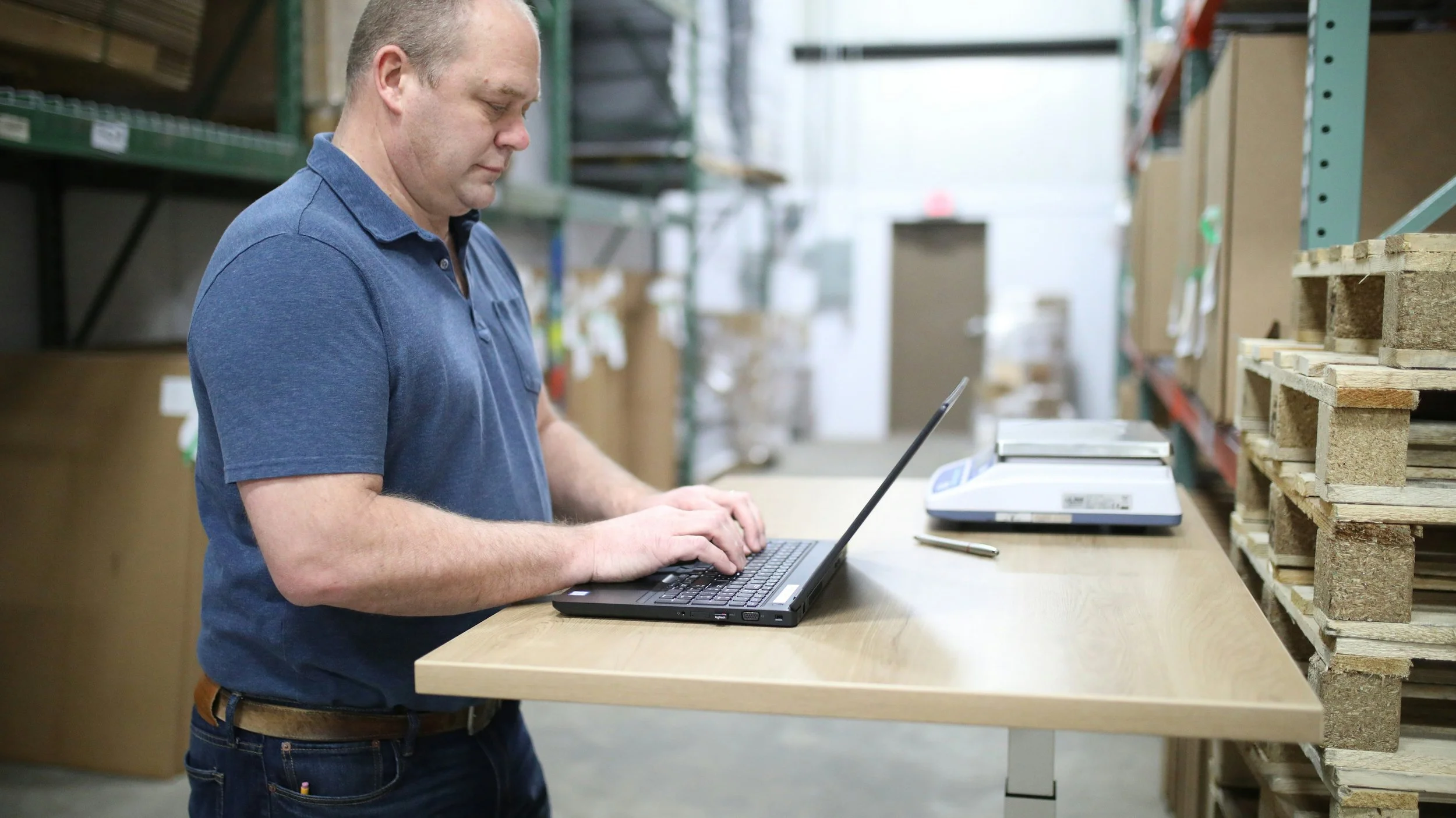
The journey starts when a customer initiates a return. Your system must authorize the return, schedule the return shipment, and approve refunds or replacements. Many brands now use automated return portals (like Loop or Redo for Shopify) that streamline this step, reducing manual work and speeding up the process.
The key here is minimizing friction. The easier you make this step, the more likely customers will return to buy again. However it’s also wise to implement safeguards against return fraud. According to the National Retail Federation, retailers lose $10.40 for every $100 in returns.
2. Reselling/Repackaging: Identify and Sort
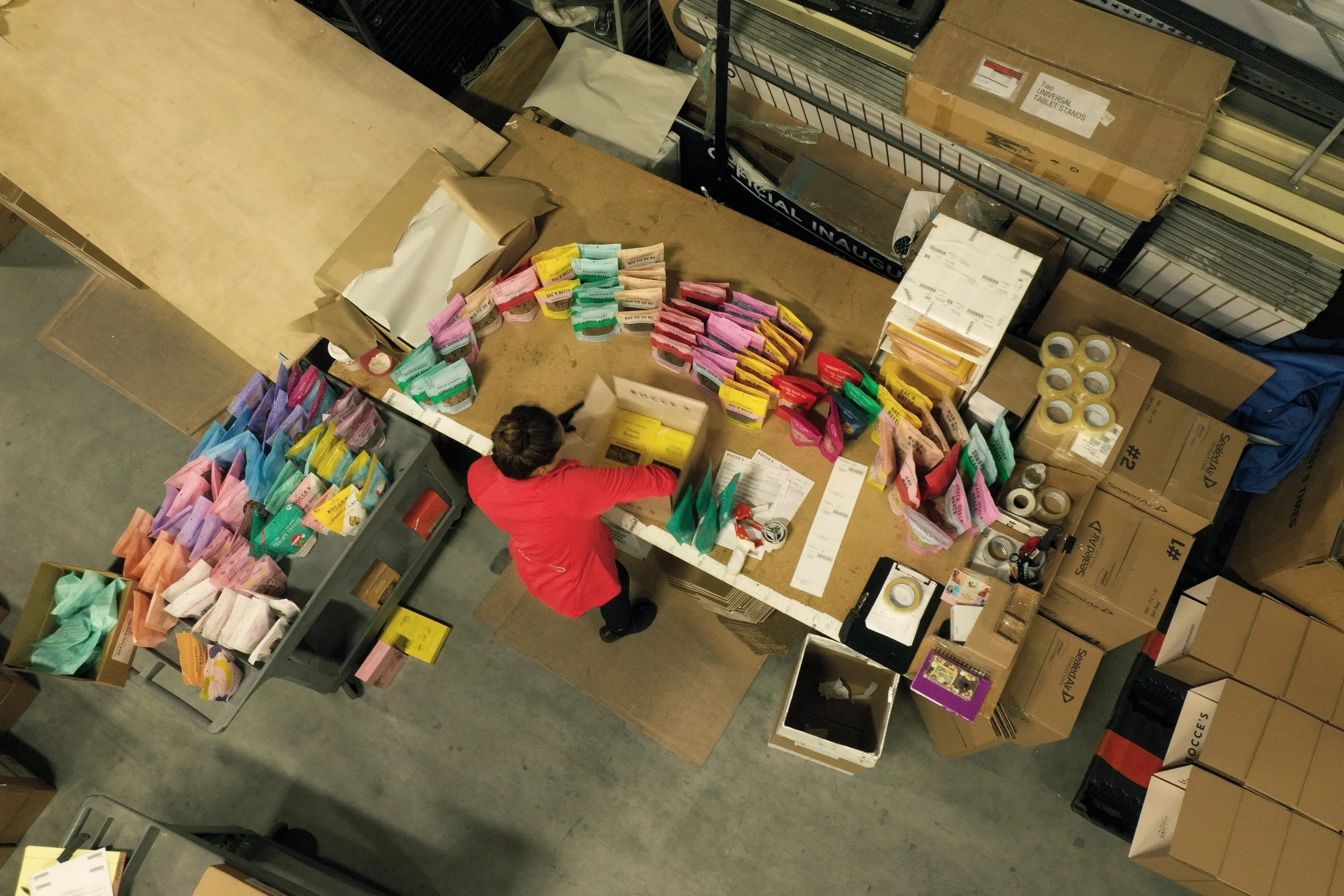
Once the return arrives at your warehouse or 3PL, the product must be inspected and categorized. Is it in perfect condition and ready for immediate resale? Does it need repackaging? Is it damaged beyond repair?
This sorting step determines everything that follows. Products in pristine condition can be restocked at full price. Items with minor damage might be refurbished or sold at a discount during sample sales. Severely damaged goods may only be suitable for parts salvage, recycling, or disposal.
Speed matters here. The longer a returned product sits unsorted, the longer it's out of your sellable inventory and the higher your storage costs climb.
3. Repairs: Keep the Return in Motion
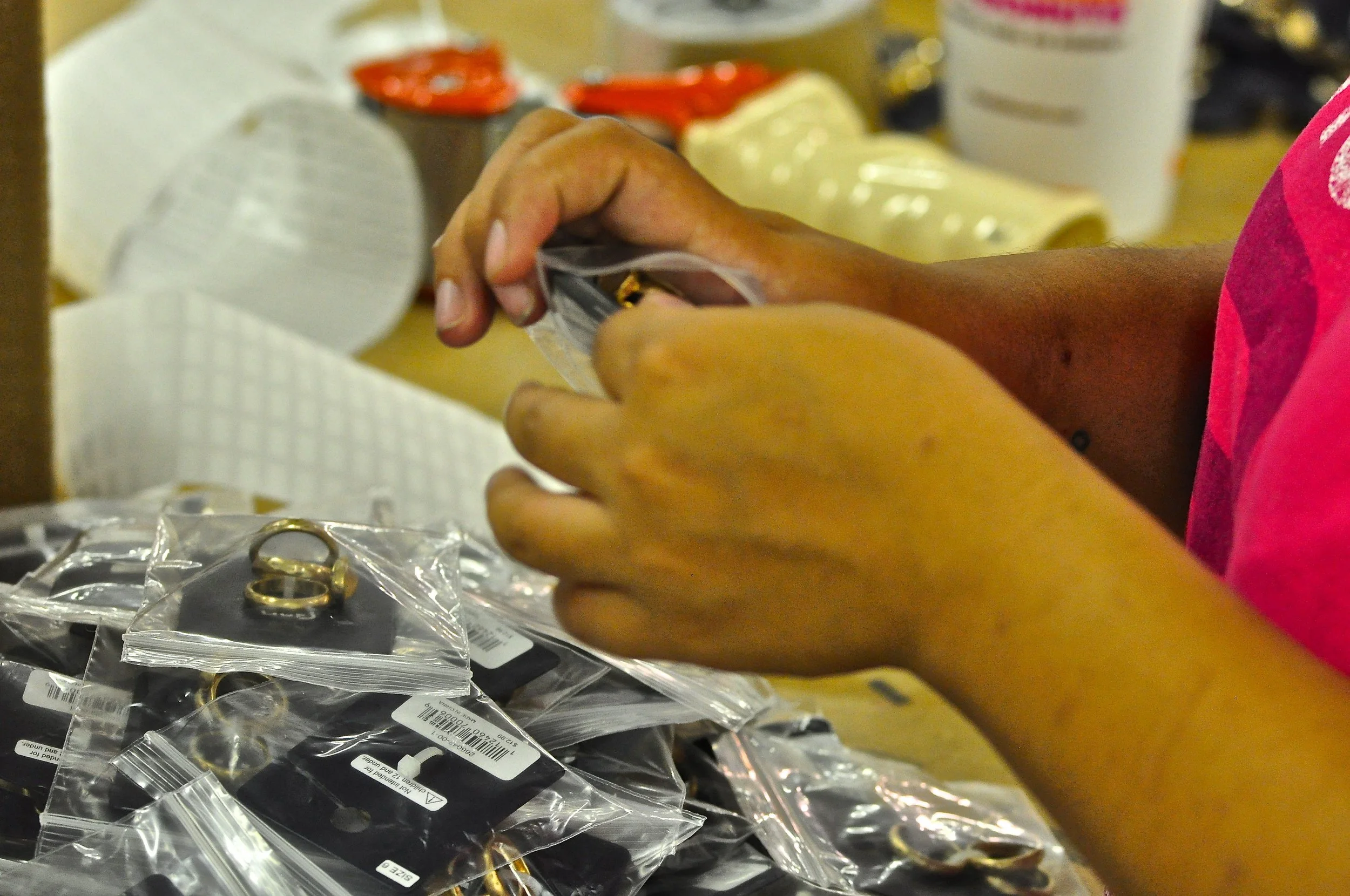
Once sorted, the goal is to minimize time in limbo. For items that can be quickly repaired or refurbished, act fast. Small fixes like replacing packaging, reattaching tags, or cleaning products can transform a return into a profitable resale.
The key metric: days to resale. Every day a returned item sits idle costs you money in storage fees and lost sales opportunities.
4. Recycle/Dispose
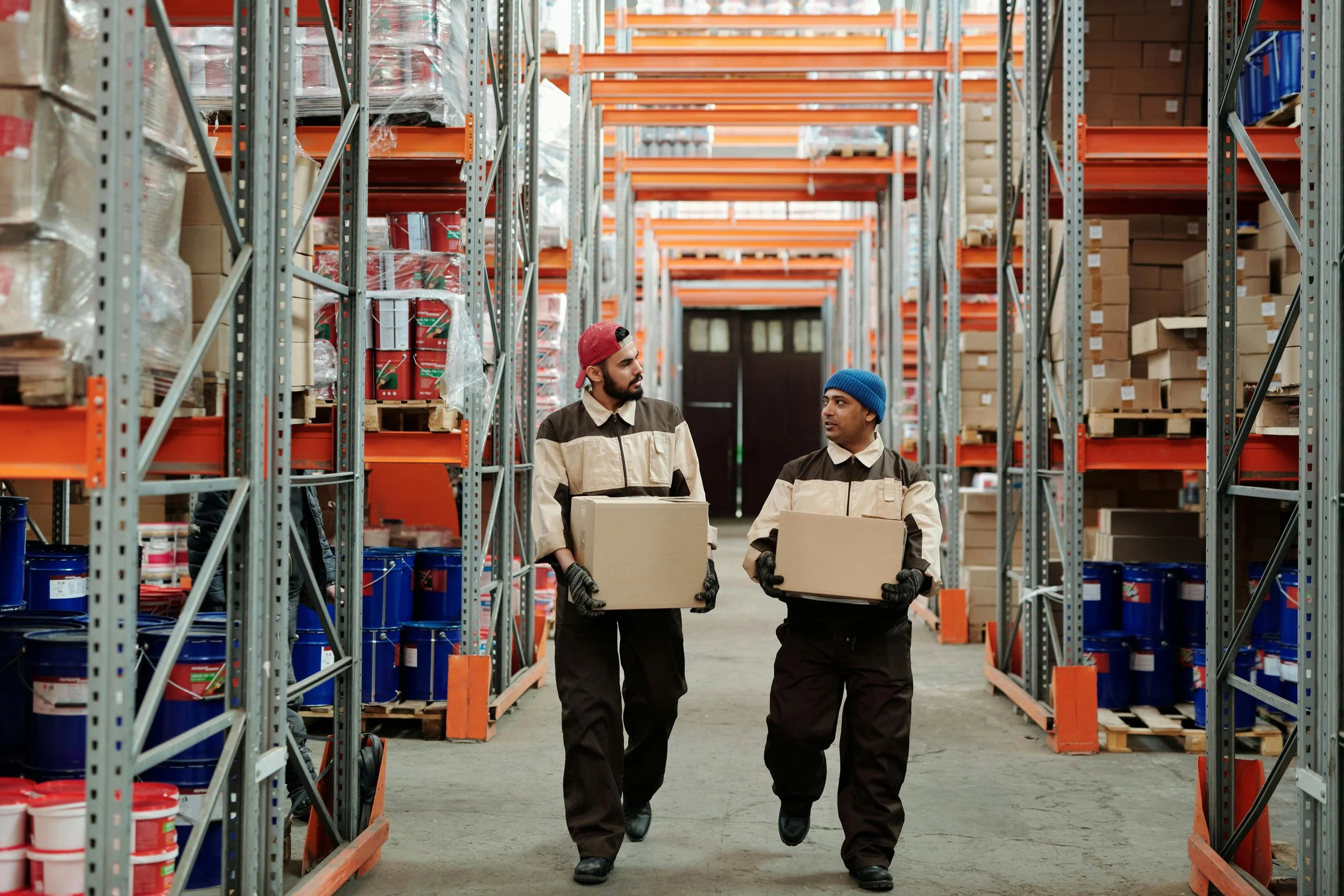
Items that can't be repaired, refurbished, or resold must be responsibly recycled or disposed of. This is especially important for products containing hazardous materials, electronics, or items subject to environmental regulations.
The circular economy mindset applies here: design products with end-of-life in mind, partner with recycling programs, and minimize waste whenever possible. Not only does this reduce environmental impact, but it can also recover some residual value from materials that would otherwise be discarded.
5. Replacement
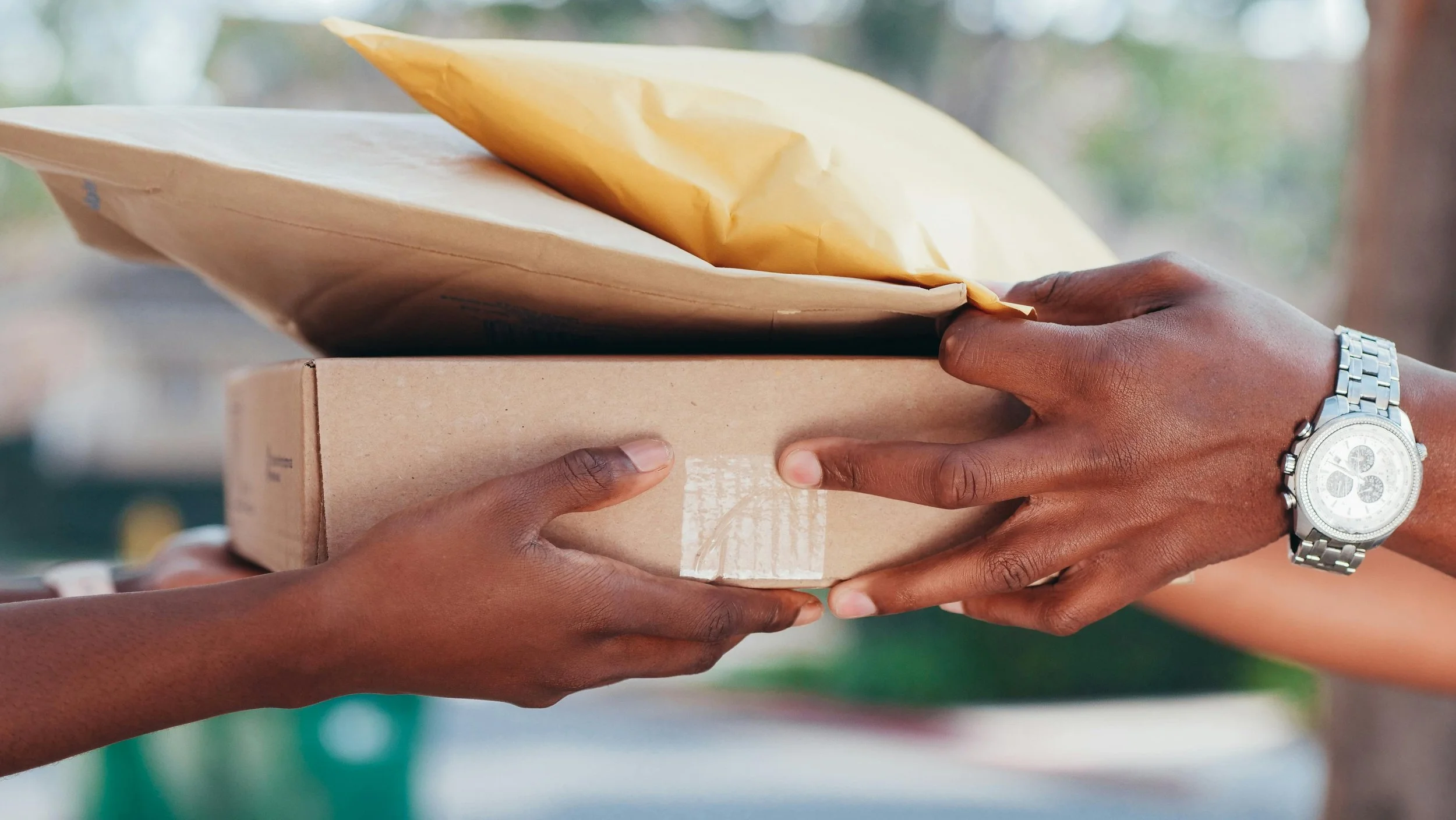
For products that can't be resold as-is and are unable to be repaired, the customer can be offered a replacement for their order.
Customer satisfaction is key in reverse logistics as a friction-free returns process will likely influence repeat business.
Benefits of Reverse Logistics
When executed well, reverse logistics delivers benefits that extend far beyond just processing returns:
Enhanced Customer Experience & Service – Efficient returns meet customers' expectations for fast, easy returns. In eCommerce, where return rates hover near 18%, a smooth process can be the difference between a one-time buyer and a loyal repeat customer.
Lower Inventory Risk & Fraud Reduction – Quick inspection and recirculation of returned stock reduce the risk of obsolescence and shrinkage. Real-time visibility into return patterns also helps identify fraud attempts, such as wardrobing (buying items to use once and return) or returning counterfeit goods.
Value Creation via Resale & Refurbishment – Many returned items can be repackaged and resold at full price with minimal effort. Others work better as secondary inventory for sample sales, generating higher volumes and attracting new customers who might not have otherwise discovered your brand.
Compliance & Quality Insights – Return data signals quality or safety issues early. If a specific SKU has a 25% return rate for sizing issues, that's actionable intelligence. You can update product descriptions, adjust sizing charts, or even redesign the product before returns escalate further.
Brand Loyalty & Sentiment – A smooth returns process builds trust and loyalty. Customers who have positive return experiences are more likely to leave positive reviews, recommend your brand, and become repeat buyers.
Contribution to Circular Economy & Sustainability – Recycling and refurbishment reduce environmental impact. Brands that prioritize sustainable reverse logistics can differentiate themselves in markets where eco-conscious consumers increasingly drive purchasing decisions.
The bottom line: optimized reverse logistics yields cost reduction, greater customer satisfaction, and better retention—turning what many see as a cost center into a competitive advantage.
Optimizing Reverse Logistics to Save Money
The good news? Most of these challenges are solvable with the right strategies:
Develop Clear, Customer-Friendly Return Policies

Standardize your return policies and make them easy to understand. Clear policies reduce confusion, lower fraud, and set proper customer expectations. Specify return windows, acceptable conditions, and who pays for return shipping.
Automate and Integrate
Use advanced tracking, warehouse management systems, and inventory platforms to gain real-time visibility. Automation reduces manual errors and speeds up categorization. For Shopify users, platforms like Redo and Loop integrate seamlessly to streamline returns processing.
Leverage Data and Analytics
Track return reasons, item conditions, and key performance indicators like return rate, resell percentage, and repair costs. This data helps you identify patterns, improve product quality, and make smarter decisions about which items to refurbish versus dispose of.
Collaborate with Suppliers & Partners
Align return policies with manufacturers and carriers. Use supplier APIs and tracking systems to manage returns efficiently. When suppliers understand your return patterns, they can adjust production quality or packaging to reduce future returns.
Optimize Transportation & Logistics
Plan efficient return routes, consolidate returns shipments, and evaluate when "returnless refund" policies save money. Sometimes, the cost of processing a $15 return exceeds the item's value—knowing when to let customers keep the product while issuing a refund can actually reduce total costs.
Centralized Returns Processing
Consider a dedicated returns center or partner with a 3PL to handle collection, inspection, and refurbishment. This frees up valuable warehouse space and ensures returns are processed by specialists rather than competing for resources with outbound fulfillment.
Work with a 3PL Provider Like CTCF
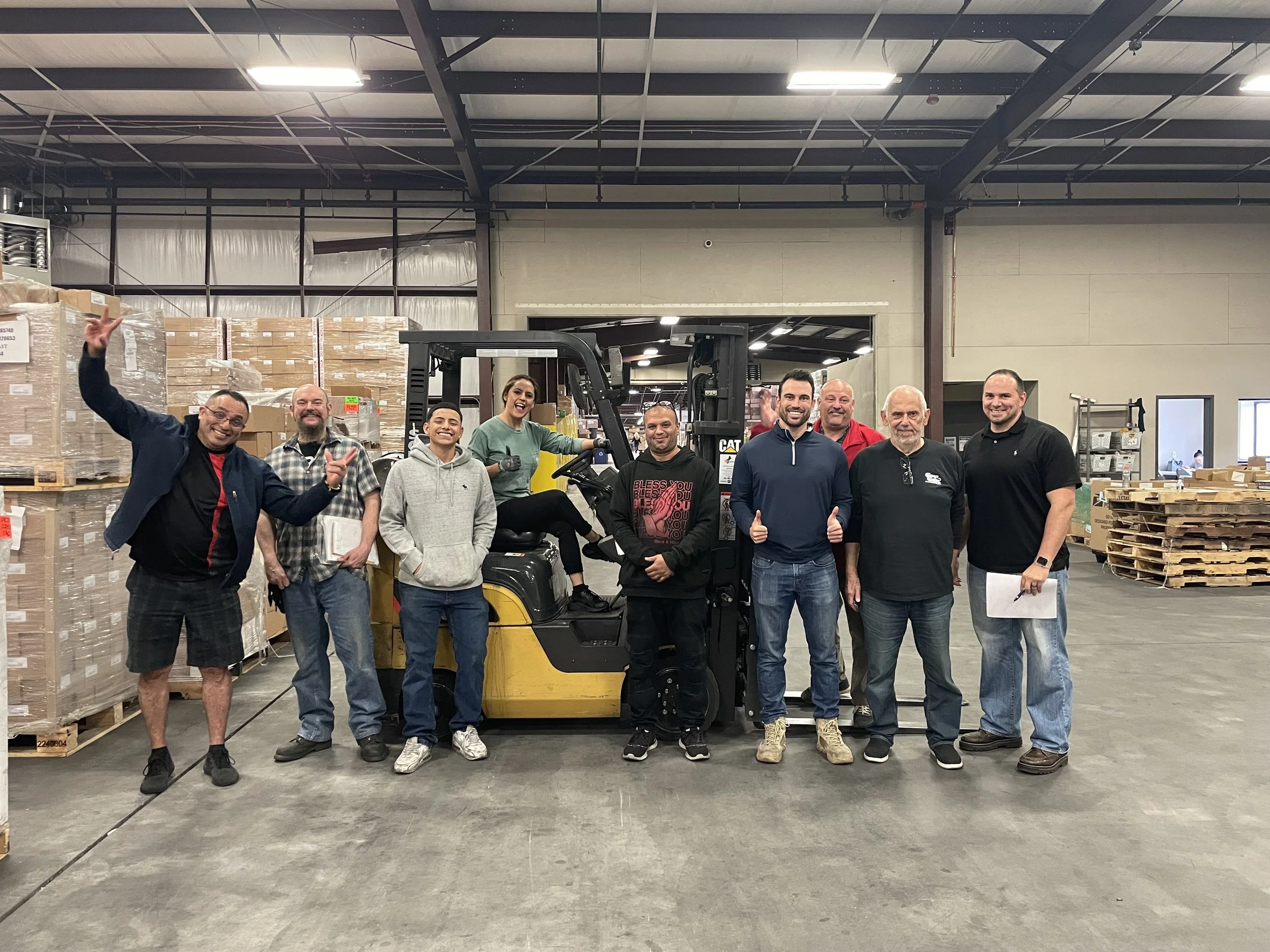
Coast to Coast Fulfillment is a U.S.-based 3PL specializing in apparel fulfillment, subscription box assembly, eCommerce warehousing, and more. We help brands simplify reverse logistics by handling returns, refurbishment, and kitting services, letting merchants focus on selling rather than managing the complexities of returns processing.
Our returns management services include receiving returned items, inspecting them for condition, repackaging products for resale, and handling disposal or recycling when necessary. With CTCF managing your reverse logistics, you gain speed, efficiency, and cost savings.
Adopt Circular-Economy Strategies
Design products for reuse and recycling from the start. This reduces waste, recovers value, and appeals to sustainability-minded consumers who increasingly prioritize brands with strong environmental commitment
3PL's for Optimized Reverse Logistics
Reverse logistics isn't going away. As eCommerce continues growing, return rates will remain high. But that doesn't mean returns have to destroy your margins. Efficient returns processing saves money, keeps customers happy, and supports sustainability goals.
The brands that win aren't the ones avoiding returns—they're the ones who've turned returns into a streamlined, cost-effective process that actually strengthens customer relationships.
Ready to optimize your returns process? Audit your current reverse logistics operations, identify bottlenecks, and consider partnering with a 3PL provider like Coast to Coast Fulfillment to handle the complexity for you.
Speak with a fulfillment specialist today to learn how our reverse logistics services can reduce costs, speed up processing, and turn returns from a headache into a competitive advantage.
3PL Partnerships FAQ
-
Reverse logistics refers to the backward flow of goods from end consumers back to sellers, manufacturers, or third-party processors. This includes returns management, product refurbishment, recycling, and disposal. Unlike forward logistics that moves products from manufacturers to customers, reverse logistics handles the return journey and determines whether products can be resold, repaired, recycled, or disposed of.
-
In supply chain management, reverse logistics is a subset that handles the movement of products backward through the supply chain. This occurs when customers return items due to damage, defects, excess inventory, or recalls. Unlike forward logistics, which follows predictable routes, reverse logistics requires flexible systems to handle unpredictable return volumes, varying product conditions, and multiple disposition options.
-
Reverse logistics is important because it directly impacts profitability, customer satisfaction, and sustainability. Efficient returns processing allows brands to recover value from returned products through resale or refurbishment. Additionally, a smooth returns experience builds customer loyalty—studies show 92% of consumers will buy again if returns are easy.
-
The main benefits include enhanced customer experience through easy returns, lower inventory risk and fraud reduction, value creation through resale and refurbishment, compliance insights from return data, increased brand loyalty from positive return experiences, and contributions to the circular economy through recycling. Optimized reverse logistics transforms returns from a cost center into a competitive advantage.
-
The 5 R's of reverse logistics are: Returns/Exchanges (processing customer returns and authorizing refunds), Reselling/Repackaging (sorting and categorizing returned items), Repairs (fixing or refurbishing products for resale), Recycling/Disposal (responsibly handling items that can't be resold), and Replacements (sending customers replacement products when appropriate). These steps form the core reverse logistics process.
-
Returns processing is the operational workflow that handles returned products from initiation to final disposition. This includes authorizing returns, receiving returned items, inspecting product condition, determining whether items can be resold or require refurbishment, updating inventory systems, and processing refunds or exchanges. Effective returns processing minimizes costs while maintaining customer satisfaction.